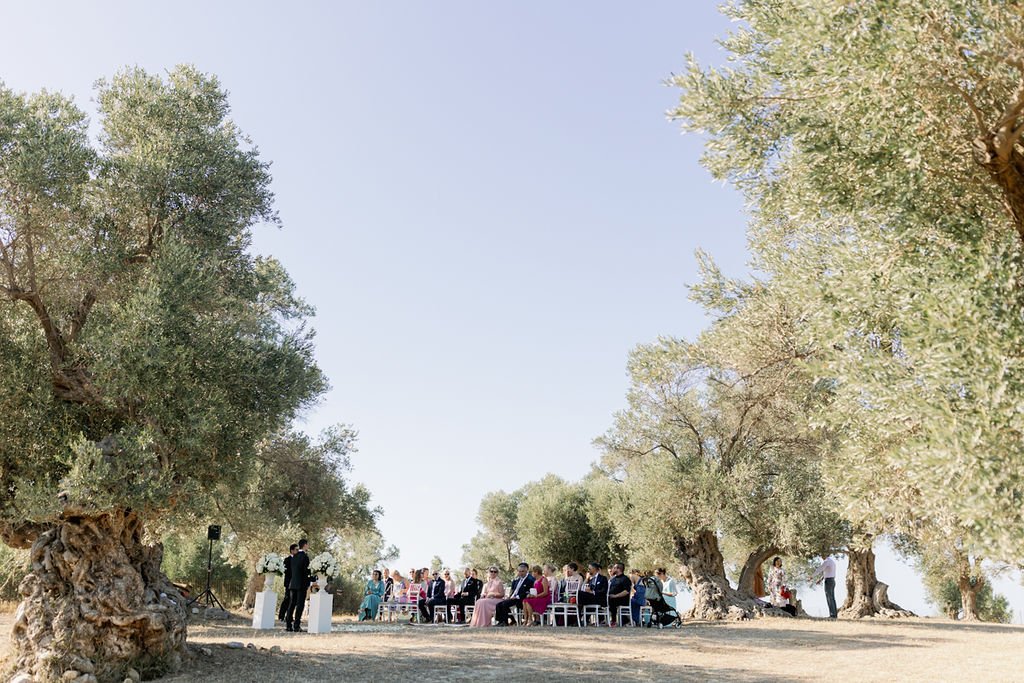
Here is something many couples planning a wedding in Crete probably don't know: a surprising number of the island's wedding venues were never intended to host weddings.
Agreco Farm was created as a traditional Cretan farm and visitor attraction. Biolea was an olive oil factory. Roxani Estate was considering becoming an artists' residency. Aravanes was a mountain taverna. And we haven't even mentioned the wineries.
Today, these places are part of Crete's wedding landscape. But the journey from olive oil production, hospitality, or agriculture to hosting international weddings didn't happen overnight. Independent wedding planners played a significant role in that transformation.
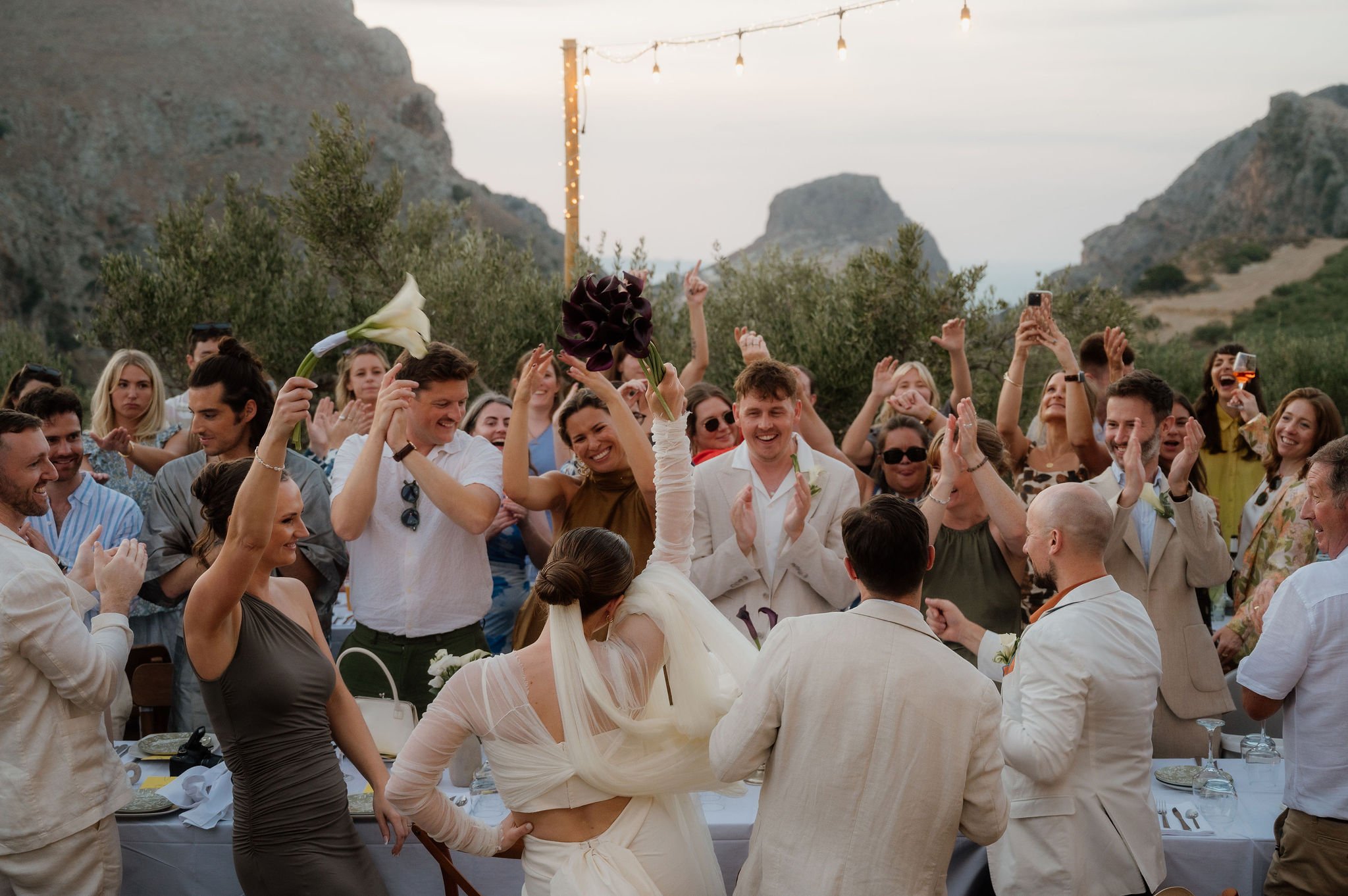
From Unexpected Places to Wedding Venues
We were the ones knocking on doors, asking owners whether they had ever considered hosting a wedding. We brought couples into unfamiliar spaces, worked out how to accommodate a ceremony or dinner where none had taken place before, and found solutions to problems nobody had previously needed to solve.
At Crete Within Weddings, we were among the first to recognise the potential of Biolea and Roxani Estate as wedding venues. We actively introduced and promoted both locations to international couples, helping them find their place on Crete's wedding map.
And we haven't stopped looking. We still explore the island, keeping an eye out for places that have never hosted a wedding but might have something extraordinary to offer. Not every beautiful location is an obvious wedding venue, and that's precisely what makes the search interesting.
Working with an unfamiliar space means taking on additional challenges. There may be no established infrastructure, no tried-and-tested solutions, and no certainty that everything will work as imagined. It takes more research, more preparation, and sometimes a willingness to take calculated risks. But we believe that creating a truly personal wedding occasionally means stepping beyond the familiar list of venues.
And we didn't simply leave after the wedding was over. Independent planners carry experience from one place to another. We know what happens when a hundred guests arrive at once, when the catering truck cannot reach the kitchen, when the lighting is insufficient, or when a beautiful terrace turns out to be less practical than it looks in photographs.
We share these observations with venue owners. We suggest improvements, introduce new professionals, and sometimes help people see possibilities for their businesses that weren't obvious before. Wedding planners in Crete are a little like bees carrying pollen between flowers. We move across the island, taking ideas, knowledge, and experience with us. And in doing so, we help the whole industry grow.
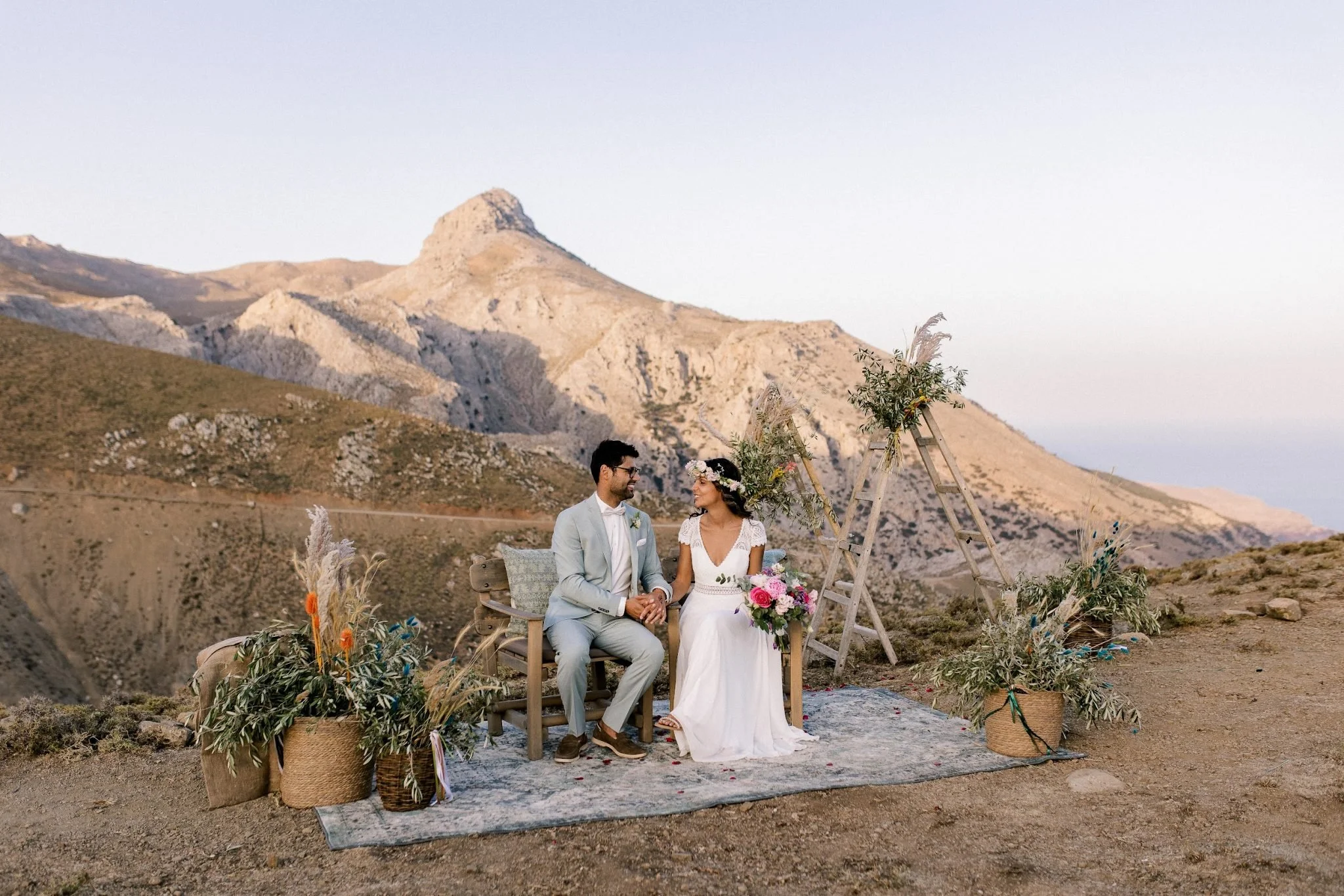
In 2022, we brought 120 international guests to Thalori, introducing them to the wild beauty of Crete’s mountain landscape.
Beautiful Venues Still Have Room to Grow
Crete has no shortage of beautiful wedding venues, but surprisingly few provide something as basic as a dedicated staff room or a separate toilet for the people working behind the scenes. After sixteen years in the industry, we still find ourselves having to raise these questions.
A wedding is not only about the experience of the couple and their guests. It is also about the working conditions of the people who make that experience possible. Caterers, musicians, photographers, technicians, and coordinators may spend twelve or more hours on site. They need somewhere to take a break, change clothes, store their belongings, and use a bathroom without walking through the guests' celebration.
These are not glamorous details, and they rarely appear in wedding photographs. But they tell us a great deal about how thoughtfully a venue is run. And they are precisely the kinds of things independent planners notice, discuss with owners, and keep pushing to improve.
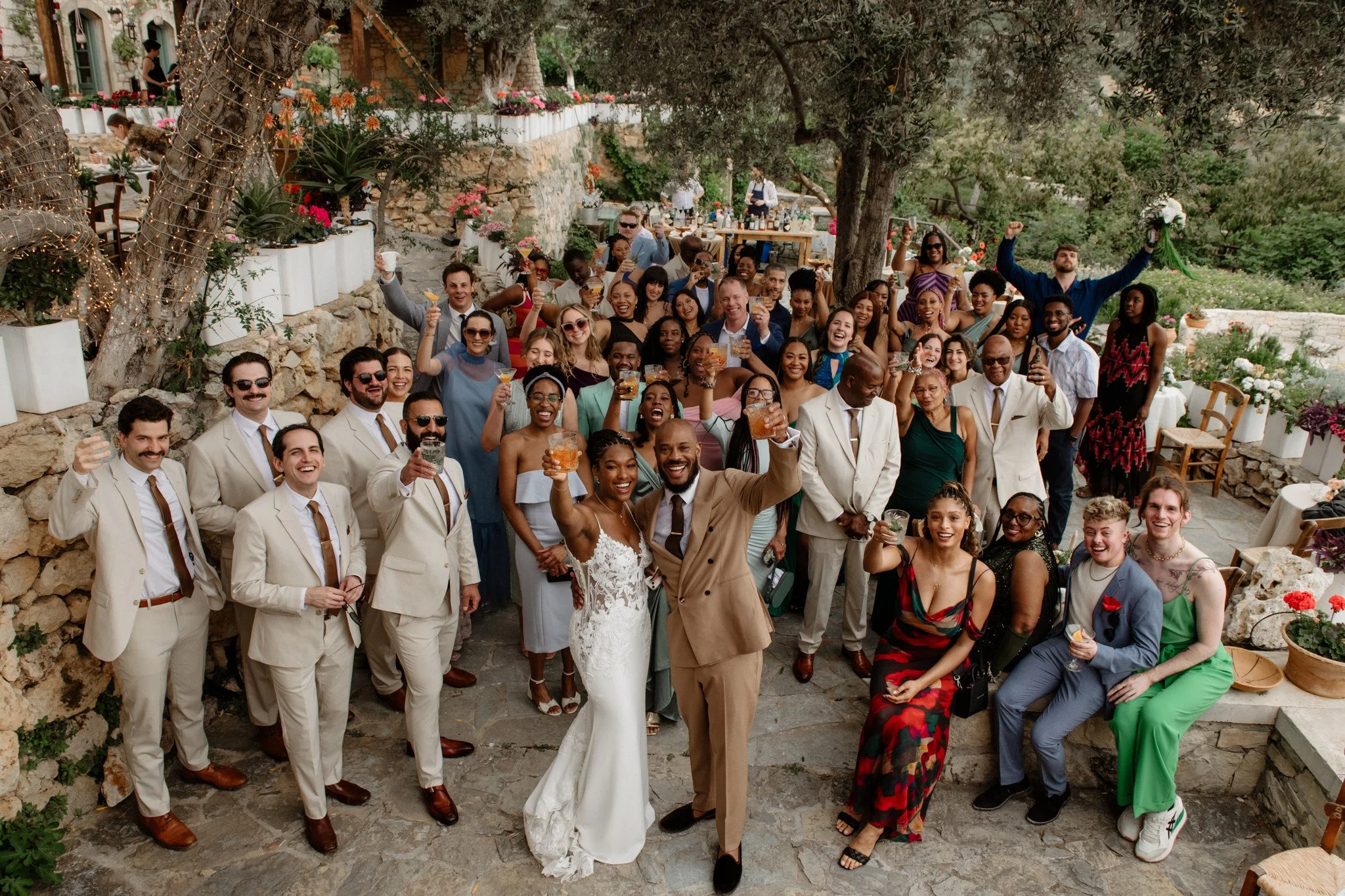
One of Crete’s most popular wedding venues, Agreco Farm reportedly hosts 150+ events a year.
When Wedding Venues Become Wedding Planners
Today, many venues on Crete offer their own wedding planning services. Some have dedicated teams, while others work with a regular circle of suppliers. There is a certain irony in the fact that many venues which developed their wedding business through years of collaboration with independent planners now offer their own wedding planning services.
But that's how industries evolve. And it raises an interesting question for couples: if your venue already provides a wedding planner, do you still need an independent one? The answer depends on what you are planning.
A venue's team may be perfectly equipped to organise a celebration on its own property. They know the space, its facilities, and its limitations.
An independent planner, however, works across the entire destination. We can help you compare locations before you commit to one, coordinate events taking place in different settings, and manage the many arrangements that extend beyond the wedding venue itself.
For a relatively simple celebration, the venue's planning services may be all you need. For a multi-day destination wedding involving international guests, several locations, and a larger team of professionals, independent planning can make a considerable difference.
The important thing is to understand who is responsible for what - and who is looking after the celebration as a whole. Check also our guide on what questions to ask a wedding venue before you book.
Independence Is About More Than Choice
For us, being independent has never meant working alone. It means being part of a wider professional community, learning from different people and places, and sharing that knowledge rather than keeping it within the boundaries of a single property.
Over the years, we've watched Crete's wedding industry develop from a relatively small network of professionals into a much larger and more sophisticated market. We have seen new venues emerge, suppliers develop their skills, and international couples bring fresh ideas and expectations to the island. And we've been fortunate to contribute to that process.
The industry will continue to change. Venues will expand their services, new planners will enter the market, and couples will find new ways to celebrate. But there will always be value in professionals who move between places, connect people, challenge established practices, and notice what could be done better.
Because the future of Crete's wedding industry doesn't depend only on creating more beautiful celebrations. It also depends on building better places, better working conditions, and stronger relationships between the people who make those celebrations possible.